
Newsletter Subscribe
Enter your email address below and subscribe to our newsletter

The 168.154 Incomplete Router Address refers to a partial or malformed gateway entry that blocks negotiation with the network. It signals input parsing or subnet interpretation failures, preventing proper routing. Causes range from truncated addresses to mismatched DHCP/static settings. Solutions…
 BySonu
A baseline assessment of the 168.1.147 router is essential before changes. This discussion surveys default settings, firmware status, and exposed surfaces with a clear view of interfaces and services. It then targets auditable shifts: stronger passwords, unique admin names, restricted…
BySonu
Examining the 168.0.21 router login process for home networks demands a disciplined, security-first approach. Access should occur only through authenticated, encrypted channels to the official admin interface, using a unique strong password. After verifying device identity, proceed with firmware updates…
BySonu
The 168.1.160 Router Admin Access Guide examines how to identify default credentials and typical admin interfaces with care. It outlines a measured approach to regaining control, emphasizing verified access tokens, secure reset steps, and comprehensive documentation. Troubleshooting is methodical, prioritizing…
BySonu
The 168.0.254 router page is reached by connecting a device to the network and opening the gateway address in a browser. Access requires the device’s first-time credentials from the label or documentation, then a prompt to change them. Proper setup…
BySonuThe 168.15.1instalador Installer is presented as a structured framework for secure access and initial configuration. It emphasizes verified credentials, role-based permissions, and governance-aligned setup. The guide outlines login steps, core settings, and disaster recovery considerations with clear troubleshooting paths. It…
BySonu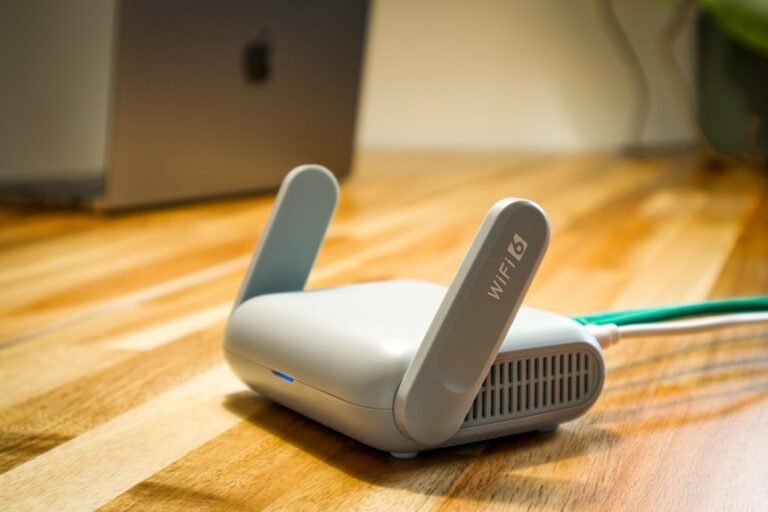
The guide outlines how to access the 10.10.10 router admin panel and log in via or It then emphasizes immediate credential changes, disabling remote admin, and enforcing strong passwords. It covers wireless configuration, channel selection, and encryption, alongside…
BySonu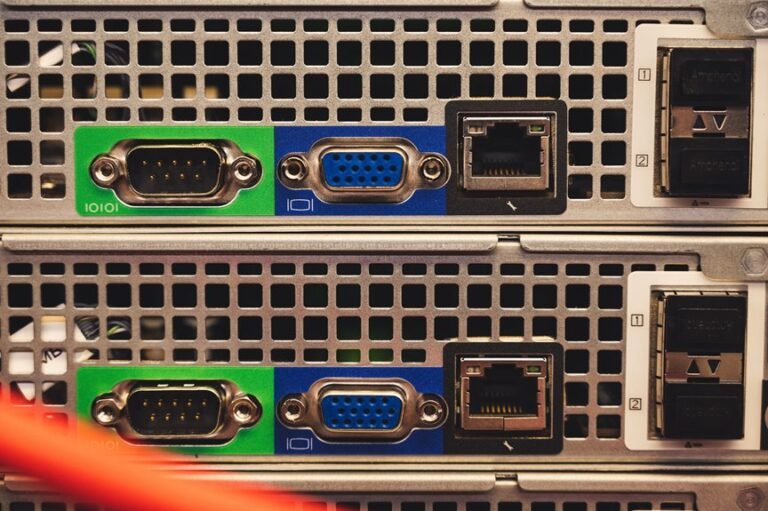
A 24.39.113 private IP setup presents a practical framework for isolating internal addressing from the public Internet. The guide outlines a scalable topology, core device roles, and discipline in security and monitoring. It emphasizes stable traffic patterns and predictable cross-device…
BySonu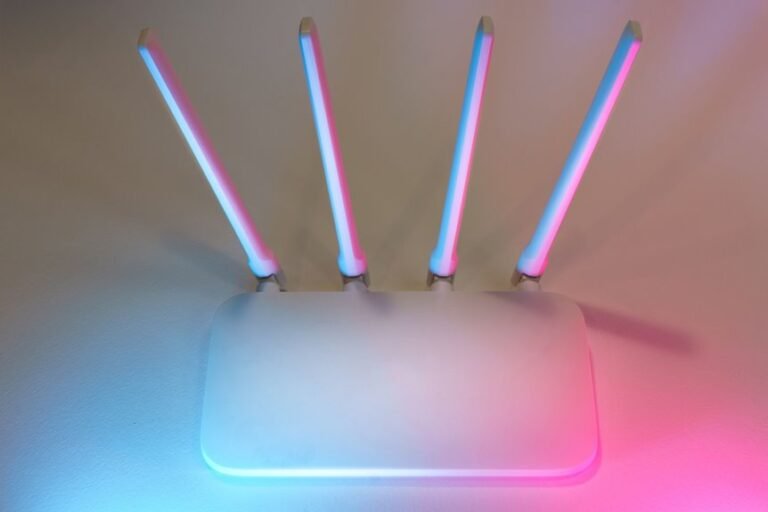
Approaching the 168.181.1 router involves a careful check of the basics: power, network connectivity, and a known device link. The guide outlines safe login practices, strong credentials, and WPA3 protection, with a push toward first-time setup clarity. It then presents…
BySonu
Understanding the 168.178.139 router setup requires identifying the device’s local gateway and network details. The process should enforce strong admin credentials, limit access to trusted devices, and log changes. Firmware updates must be scheduled with verified signatures, and unused services…
BySonu