
Newsletter Subscribe
Enter your email address below and subscribe to our newsletter

The 1681.3 Correct Router Address and Configuration Tutorial presents a precise framework for locating a router’s IP, interpreting its role in the local topology, and applying secure, documented settings. It emphasizes quick identification, strong authentication, WPA3, and up-to-date firmware, along…
 BySonu
Access to the 168.10.253 router admin panel is straightforward when instructions are followed precisely. A user opens a browser, enters the address, and logs in with authorized credentials. The quick start covers Wi‑Fi setup, including an SSID and strong passphrase.…
BySonu
Private IP configuration for admin access 0.0.121 centers on isolated management surfaces within restricted address blocks. Interfaces are limited to predefined subnets, with routing boundaries ensuring only trusted networks can reach admin endpoints. Ephemeral session keys, strict access controls, and…
BySonu
In 168.0103 Router Login With Correct IP Formatting, the focus is on precise access to a router’s admin interface through accurate IP notation. The process begins with confirming the gateway address and replicating the exact digits and dots shown in…
BySonu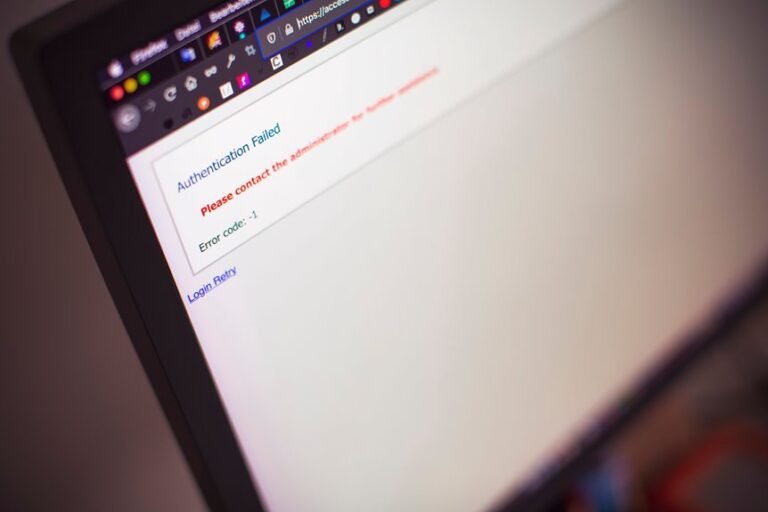
The article examines the 168.140 router address as the gateway for local networks and its role in traffic management. It outlines how to locate the login page, access default credentials securely, and perform an initial, security-focused setup. The guide emphasizes…
BySonu
A 192.100.1.1 address on a router often indicates a mismatch between the device’s configured gateway and the network’s addressing plan. The issue typically stems from misconfigured DHCP scopes, incorrect subnetting, or conflicting IP plans. Technical steps follow: verify core router…
BySonu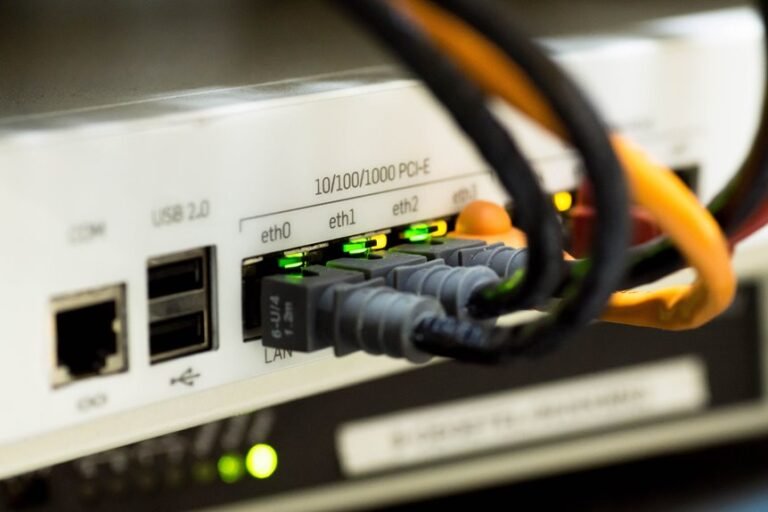
The discussion centers on the correct router address format, focusing on 192.168.100.1 as a private gateway. It notes that dotted-decimal notation is standard, while spaced digits can cause errors. The piece emphasizes verification across devices and consistency with the network’s…
BySonu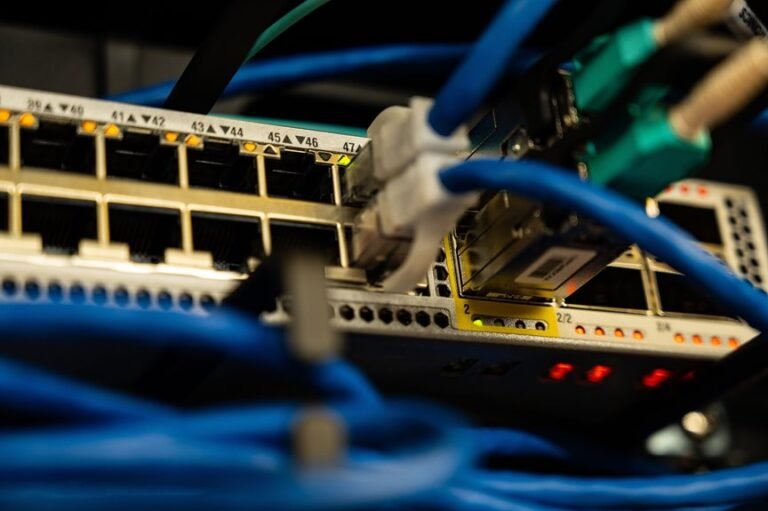
An incomplete router IP indicates essential addressing details are missing or misaligned, disrupting reliable communication. Core clues lie in DHCP leasing, default gateway accuracy, and subnet mask consistency. Diagnosing involves validating core IP settings, rechecking DHCP scopes, and verifying static…
BySonu
Common IP error 192.0.1 signals a misconfigured or unreachable gateway rather than a fault with the target host. It often results from incorrect routing, DHCP, or DNS settings that yield non-routable addresses. Identifying the gateway device, verifying the actual router…
BySonu
Access to the 168.178.105 router admin is achieved via a connected device and a browser. The process relies on verified network paths, proper IP settings, and current credentials. Built-in tools like ping, traceroute, and WAN/LAN dashboards guide diagnosis of latency,…
BySonu