
Newsletter Subscribe
Enter your email address below and subscribe to our newsletter

The 168.188.1 router login guide outlines centralized admin access, emphasizing secure credentials, HTTPS when available, and disabled remote management. It covers locating the correct IP, authenticating, and enforcing strong policies. Step-by-step methods address gaining control and hardening the admin panel,…
 BySonu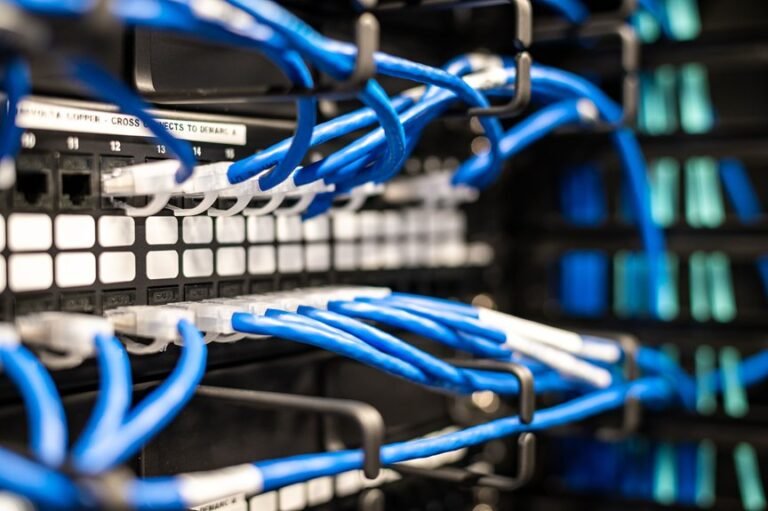
Private IP address configuration and setup require deliberate planning to ensure scalable, autonomous networks. Subnetting, sizing, and careful address allocation within non-routable blocks minimize waste and clarify routing. The choice between DHCP and static assignments balances predictability with management overhead.…
BySonu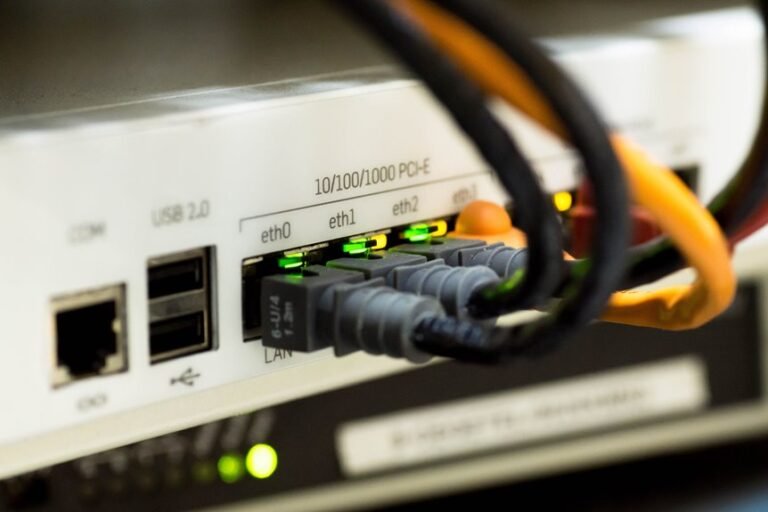
Accessing the 168.100.21 router requires a web login via the gateway IP and administrator credentials to unlock configuration options. The dashboard centers on Network Security and Parental Controls, plus device activity monitoring. It emphasizes strong Wi-Fi passwords, firmware updates, and…
BySonu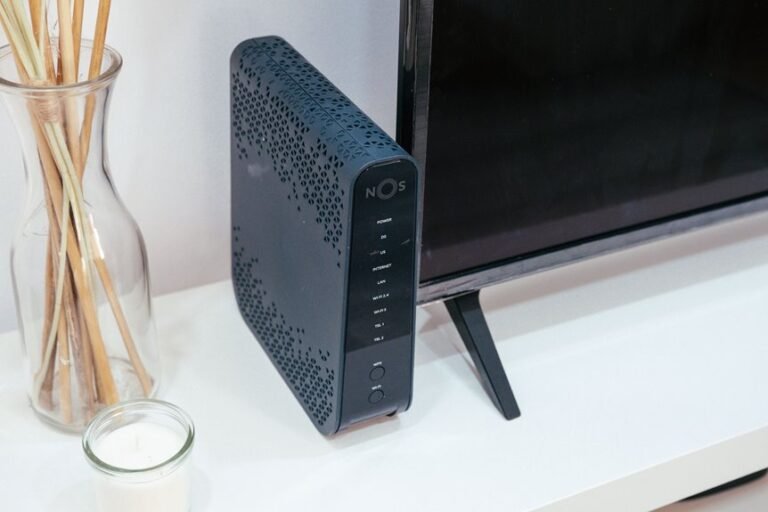
The 168.1.75 router setup guide outlines how a local network device manages wireless and wired connections, IP assignment, and internet routing. It directs users to locate the router’s local address and sign in via the admin panel with defaults or…
BySonu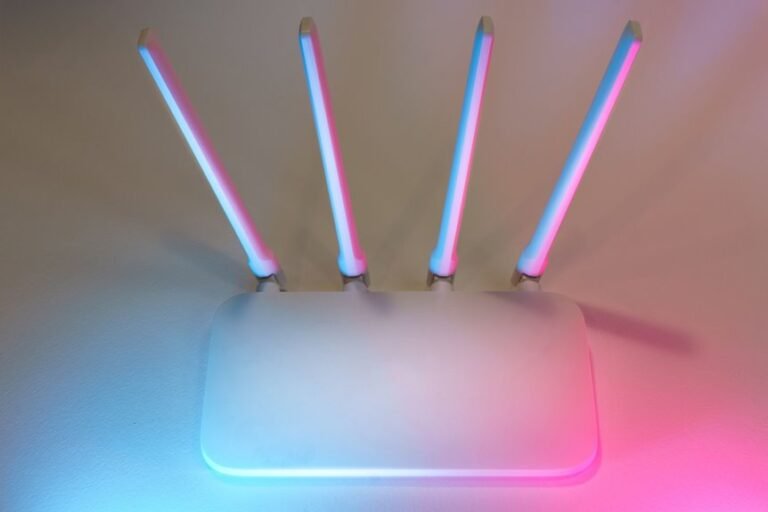
Determining the 168.3 router’s IP address requires checking the device label, user manual, or a connected computer’s gateway. Once found, the login page should be accessed in a browser by entering that address. The user must prepare correct credentials and…
BySonu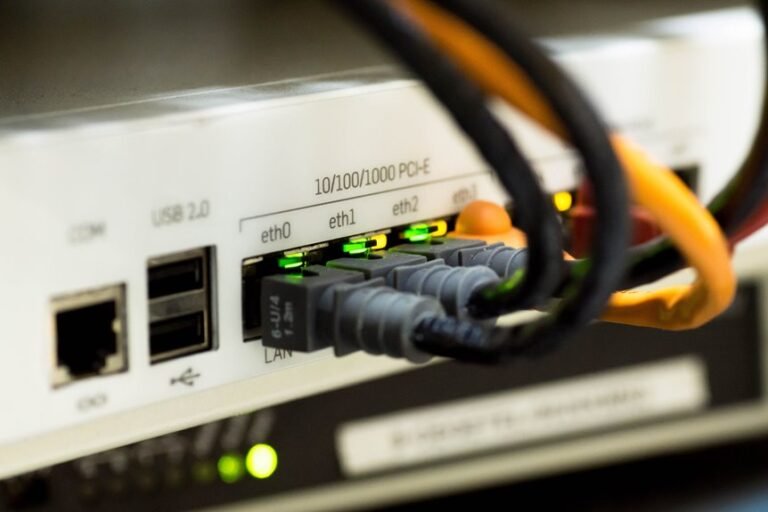
An incomplete router address disrupts deterministic forwarding by omitting one or more required segments. Such gaps create ambiguity in path selection, increasing the risk of dropped packets or routing loops. Practitioners must interpret partial identifiers against logs, baselines, and topology…
BySonu
The topic concerns securing a 168.100.27 router and its admin interface with a disciplined, security-first approach. It outlines verifying device identity, using trusted connections, and enforcing least-privilege access. It then covers session-bound administration, firmware status checks, updates, and comprehensive audit…
BySonu
Understanding how 192.168.0.102 is presented helps clarify its role as a private router address. The guide will outline proper formatting, verification steps, and safe login practices. It remains focused on accuracy, procedure, and security, avoiding assumptions about specific devices. A…
BySonu
When devices show 168.8.1 as the router address, it signals a misconfigured default gateway in the local network. This stems from incorrect IP, DHCP scope, or proxy/DNS settings rather than an external fault. The result is unreachable routes and degraded…
BySonu
100.254.0.0/16 sits in the private CGNAT space, not routable on the public internet. It serves internal segmentation and policy enforcement without exposing external routes. The range is intentionally incomplete, aiding multi-tenant planning and addressing discipline. Diagnostics focus on DHCP scopes,…
BySonu