Newsletter Subscribe
Enter your email address below and subscribe to our newsletter

 BySonu
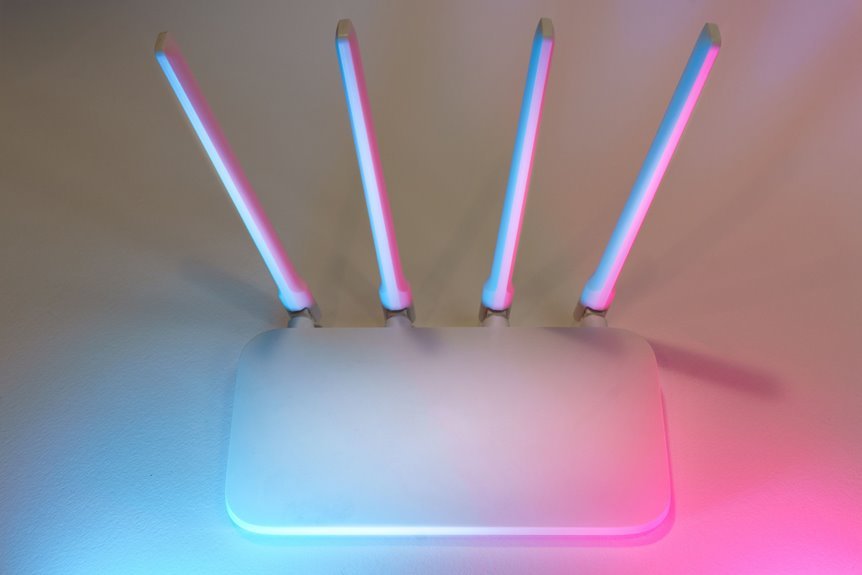
Determining the 168.3 router’s IP address requires checking the device label, user manual, or a connected computer’s gateway. Once found, the login page should be accessed in a browser by entering that address. The user must prepare correct credentials and a clean network connection, while considering DNS settings and firmware status. If errors occur, verify URL or IP, permissions, and potential DNS or firewall blocks, then decide the next precise step to pursue.
To determine the 168.3 router’s IP address, start by checking the device label or manual for the default gateway information, then verify it on a connected computer or mobile device. The process guards against a misconfigured firewall and ensures access despite outdated firmware. Precise inspection minimizes steps, enabling independent configuration while promoting freedom and network reliability.
Entering credentials requires knowing which fields to fill and where to enter them. The text presents a concise map: locate the username and password boxes on the login page, type the provided values, and submit. Use two word ideas subtopic irrelevant in their proper places to avoid confusion. Anticipate login errors, verify capitalization, and re-enter carefully for successful access.
After credentials are entered, ensuring a clean network connection becomes the next priority.
The guide outlines verifying connectivity, testing DNS responsiveness, and recognizing slow resolutions.
Practical steps include flushing DNS, switching to reliable DNS servers, and checking firmware updates.
Key security tips emphasize privacy during finding passwords, avoiding exposed credentials, and maintaining vigilance.
Troubleshooting connection issues relies on consistent DNS behavior and proper router configurations.
Incorrect login attempts often stem from using the wrong URL, IP address, or insufficient permissions. To resolve, verify the router’s official address from documentation, check DHCP leases, and confirm user roles. Correct URL and IP reduce friction, improving user experience. Maintaining proper network security practices prevents unauthorized access while guiding legitimate users toward swift, consistent login success.
The answer is yes: a router password can be recovered or reset. They should consider password recovery methods, then follow password reset steps or reset procedure; if necessary, perform a factory reset and reconfigure the device.
A building blocks of light frames the scene: there is no universal default username for 168.3 routers; devices vary. Instead, consult device labels or manual. Default credentials exist briefly; ensure firmware update cadence after access changes.
Firmware updates should be applied on a monthly update cadence, balancing security implications with stability. The updater prioritizes critical fixes; users should monitor vendor advisories and set notifications. Regular checks empower informed decisions and maintain device resilience.
Yes, a mobile device can access the admin page. The user should ensure mobile access is enabled, admin page usability remains intact, and security steps like password recovery and firmware updates are kept current; remote port safety is maintained.
Access should only use non-standard, secure ports with VPN or TLS. Two word discussion ideas, not relevant to other h2s: secure access. Two word discussion ideas, not relevant to other h2s: remote control.
In conclusion, mastering the 168.3 router login is a triumph of precision. Verify the exact gateway with laser-like accuracy, then type credentials with the care of a Swiss watchmaker. A clean connection and proper DNS settings make the gateway shine. If you encounter errors, double-check the URL, IP, and permissions until every digit aligns—like a perfectly synchronized constellation. With flawless steps followed, secure access to the router becomes an astonishing, almost effortless achievement.