
Newsletter Subscribe
Enter your email address below and subscribe to our newsletter

Understanding the 10.10.1 router login process is essential for secure access. The guide identifies the correct default IP and credentials, stresses verification from trusted sources, and recommends immediate password changes. It emphasizes firmware updates, encryption, and prudent password management as…
 BySonu
The guide to 50.5.1 Router Access and Setup lays out a precise path from discovering the device IP and gateway to authentic admin access. It emphasizes secure credential handling, session integrity, and clear rollback steps. Structured steps cover login, portal…
BySonu
168.2.1.2080 invalid router address describes a misaddressing issue that prevents proper device routing. The text outlines what qualifies as invalid, typical misconfigurations, and the impact on network reachability. It frames a deterministic troubleshooting path: confirm the exact IP, verify gateway…
BySonu
The 168.16.102 router setup and configuration tutorial presents a structured approach to securing and optimizing a small network. It outlines accessing the login portal, defining WAN and LAN interfaces, and planning an IP scheme with appropriate DHCP scopes. The guide…
BySonu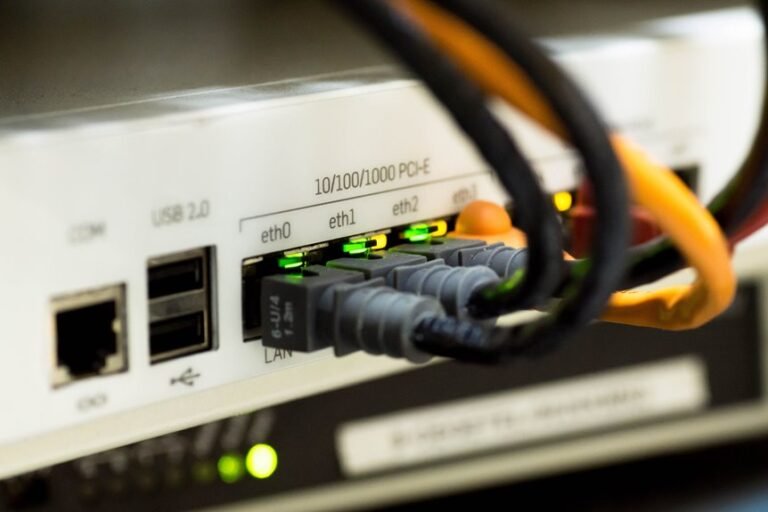
Access to the 168.33.1 router login exposes the device’s admin interface for configuration, monitoring, and firmware control. It requires careful handling: verify the IP, connect over secure channels, and log all changes. Default credentials pose clear risks, so initial hardening…
BySonu
The 168.88.242 Router Admin Panel serves as the central control point for network management. This guide outlines how to verify device identity, establish authenticated access, and ensure secure transport. It covers essential security and performance settings, common access issues, and…
BySonu
The 31.169.169 address block is not recognized as a standard private IPv4 range and sits outside typical private allocations. This raises questions about its suitability for home or small-office networks. Practical use demands careful NAT, routing, and security planning to…
BySonu
Networks require precise addressing: 192.168.11 is not a valid gateway by itself; the full format is typically 192.168.11.1 for router access. Confirm the correct default gateway in system settings, then use a secure browser to that IP, ensuring subnet alignment…
BySonu
Navigating the 168.1.74 router login requires careful steps and careful verification. The guide highlights locating the gateway, testing defaults, and using secure, single-device access. It emphasizes updating firmware, disabling unused remote features, and strengthening Wi‑Fi credentials. Each precaution reduces risk,…
BySonu
The 168.16.100 router presents a structured path to secure first-time access and auditable configuration. It emphasizes documented defaults, verified credentials, and reset procedures. A baseline policy underpins a strong firewall posture, with RBAC and mapped access controls. Intelligent routing and…
BySonu