Newsletter Subscribe
Enter your email address below and subscribe to our newsletter

 BySonu
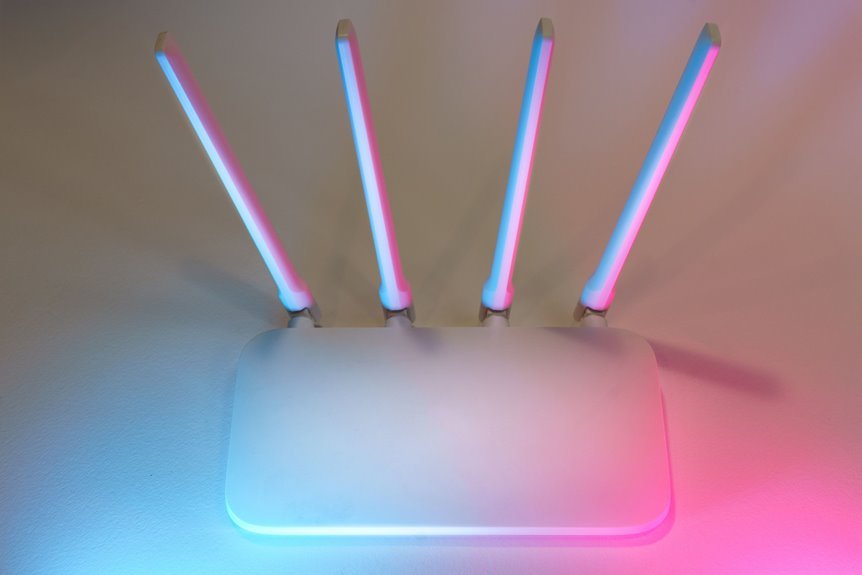
Access to the 168.10.253 router admin panel is straightforward when instructions are followed precisely. A user opens a browser, enters the address, and logs in with authorized credentials. The quick start covers Wi‑Fi setup, including an SSID and strong passphrase. Core tweaks focus on performance and security, with firmware updates and tightened firewall rules. If issues arise, common login and connection problems are handled systematically, but a broader picture remains to be explored. The next steps reveal essential details.
To access the 168.10.253 router admin panel, open a web browser and enter http://168.10.253 in the address bar. The interface loads with authentication prompts, guiding authorized users through essential steps.
This section emphasizes a quick start path and core tweaks, presenting neutral, actionable guidance without distraction and maintaining a concise, freedom‑mocused tone for informed decision‑making.
After gaining access to the admin panel, the next step is to configure wireless settings. The quick start guides users through setup wi fi, ssid setup; ensure password security while choosing a strong passphrase and unique network name.
Apply basic network tweaks for reliability, then save. Confirm connection, test devices, and note settings for future changes and freedom of use.
Optimizing a router’s performance and safeguarding the network requires targeted adjustments to both traffic handling and access controls. Core tweaks emphasize network hardening and disciplined device segmentation, reducing exposure while preserving speed.
Implement consistent firmware updates, enforce strong authentication, and rotate credentials.
Prioritize minimal open ports, robust firewall rules, and regular security audits to sustain resilient, freedom-friendly connectivity without slowing legitimate use.
Common login and connection issues on 168.10.253 routers typically stem from incorrect credentials, network misconfigurations, or firmware glitches.
Troubleshooting begins with verifying login details, confirming device accessibility, and inspecting cabling.
Next, assess network latency and DNS settings, then review firmware basics for stability.
If problems persist, consider factory reset, secure reconfiguration, and firmware updates to restore reliable access and performance.
Test connectivity.
Accessing the router from a mobile data network is possible with remote access enabled, but security considerations apply. Ensure mobile data access is permitted by firewall rules and that strong authentication protects the connection.
To reset the router to factory defaults, perform the reset process by holding the reset button for 10–15 seconds until indicators flash. Then reconfigure credentials and settings anew, restoring factory defaults while ensuring secure, liberated network access.
“Actions speak louder than words.” Parental controls exist; they enable Access restrictions. The device offers a toggle to enable, specify sites, times, and users, and adjust permissions, providing freedom with boundaries for safer browsing.
A guest network can be configured with a separate SSID and password policy, enabling guest access while isolating main devices. The setup establishes a distinct guest network, maintaining security and freedom for visitors without compromising primary network integrity.
To back up settings, access the router’s administration page, locate the Backup/Export option, and save the configuration file. To restore configuration, choose the Import/Upload option and reset to the saved file, ensuring integrity and correct device compatibility.
In the quiet hum of rebooted routers, the path to secure access remains unbroken yet shifting. The guide promises swift entry through http://168.10.253, a doorway to tightened firewalls and fresh credentials. As firmware boots and DNS checks complete, connections awaken—SSIDs align, devices confirm. But a lingering uncertainty persists: will the next firmware update or a sudden port change default back to vulnerability or vigor? The answer rests in the next, careful steps taken.