Newsletter Subscribe
Enter your email address below and subscribe to our newsletter

 BySonu
Approaching the 168.181.1 router involves a careful check of the basics: power, network connectivity, and a known device link. The guide outlines safe login practices, strong credentials, and WPA3 protection, with a push toward first-time setup clarity. It then presents quick diagnostics for common failures and practical fixes to stabilize Wi‑Fi. While these steps cover fundamentals, a precise sequence and documented changes are essential to avoid repeat issues and uncover underlying causes. Proceed with a structured plan.
To locate 168.181.1 and access the router, begin by confirming that the device is connected to the network and powered on.
The process emphasizes finding_ip_address through reliable checks, avoiding guesswork.
Systematically, review router_access_methods such as via wired default gateway, mobile app, or supported web portal.
Precision ensures immediate, autonomous control and uninterrupted network freedom.
After establishing how to locate 168.181.1 and access the router, the focus shifts to safe login practices: managing credentials, encryption, and the initial setup.
The procedure emphasizes password privacy, unique usernames, and robust passphrases, plus enabling WPA3 and disabling remote admin.
Implement network segmentation, store credentials securely, and confirm changes before exiting to preserve a resilient, freedom-enhancing foundation.
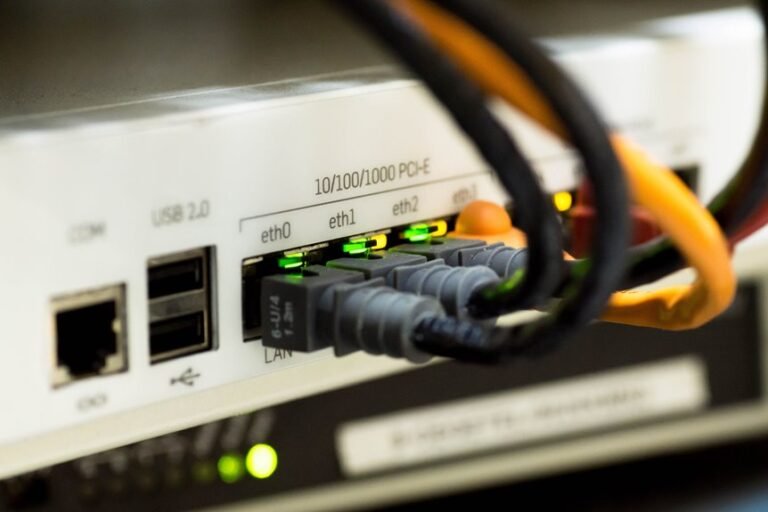
Quick connectivity checks are the first step in diagnosing router issues. A methodical approach surveys cables, LEDs, and device reports for patterns, not coincidences, enabling proactive isolation. The reviewer notes an unrelated topic delay or random chatter from nearby networks as potential interference cues. Systematic reboots, gentle resets, and port verification precede deeper diagnostics, preserving focus and freedom to improvise.
Practical adjustments and safeguards can stabilize Wi‑Fi performance while enhancing security.
The guidance emphasizes methodical configuration: evaluate network topology to place the router for optimal coverage, implement firmware updates promptly, and apply security basics such as strong passwords and WPA3 where available.
Regularly audit device access, disable unused services, and document changes for consistent, freedom‑driven resilience.
The answer: No; logging in via a guest network is typically restricted, and admin access control prevents unauthorized entry. A user should verify login credentials only through authorized channels to maintain security and protect network integrity.
Update frequency should be monthly or sooner if firmware improvements address security gaps; it enhances login security, reduces dns leakage, and supports password recovery. Regular checks aid guest access control and alternative interfaces while maintaining system independence and freedom.
If a DNS leak occurs after login, the user should perform dns leak troubleshooting by refreshing secure admin interfaces, verifying DNS settings, and routing all traffic through trusted DNS servers; then reconfigure firewall rules for ongoing privacy and control.
Password recovery without reset is unlikely; only non-reset methods may exist if the router supports internal recovery dialogs or admin hints. The approach remains proactive, precise, and methodical, describing steps for legitimate access while preserving user autonomy and privacy.
Alternative interfaces exist, but secure access remains paramount. This methodical approach anticipates objections, offering offline SSH, VPN, or management consoles as options. Readers desiring freedom benefit from robust, encrypted channels and centralized, auditable admin control beyond plain http/https.
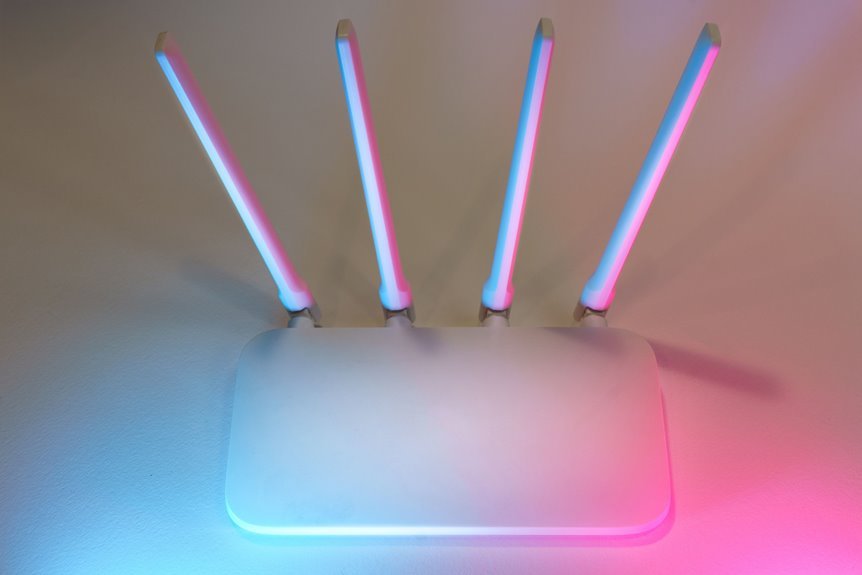
A precise, methodical calm settles over the router’s glassy panel as light threads through the room. Connections hum into place like careful gears engaging, every credential a lock finally turned. In this quiet, proactive routine, security is a shield you actively forge: updates, audits, and disciplined changes. When the network breathes smoothly, the digital landscape feels like a well-marked map—clear, safe, and ready for steady, uninterrupted signals to travel the quiet avenues of home.