Newsletter Subscribe
Enter your email address below and subscribe to our newsletter

 BySonu
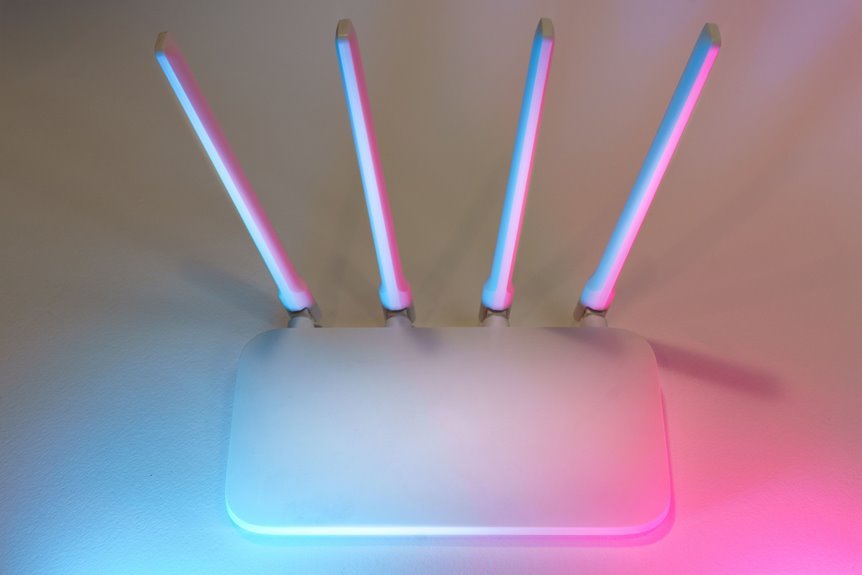
Access to the 168.178.28 router login page begins with a wired or wireless connection to the device and a browser to load the interface. From there, authentication is required, followed by firmware checks, then secure changes to the SSID and passphrase using WPA2 or WPA3. The guide covers core settings such as DHCP, DNS, firewall rules, guest isolation, and port forwarding, plus practical troubleshooting steps. The key steps are clear, but the exact sequence and options may vary by model, leaving a critical detail to confirm.
Access to the 168.178.28 router login page is gained via a web browser on a device connected to the router’s network. The procedure is technical and straightforward: enter the IP address, load the login interface, and authenticate. Accessibility features ensure inclusive access, while a firmware update may precede configuration to maintain compatibility and performance.
To securely change the Wi‑Fi name (SSID) and password, access the router’s administration interface and navigate to the wireless settings section.
The procedure favors a deterministic approach: select a unique SSID, create a strong passphrase, enable WPA3 or at least WPA2, and apply changes promptly.
Emphasize change password frequency as part of ongoing wifi security discipline.
Core network settings encompass the essential services that govern local address assignment, name resolution, and network security posture. DHCP scopes provide dynamic addressing with lease control, DNS forwards and overrides enable resolution reliability, and security policies enforce baseline protections. Firewall configuration governs ingress and egress behavior, while guest network isolation separates guest traffic from core resources, preserving overall integrity.
Port forwarding is a practical technique that maps external traffic to specific internal devices, enabling services to be reached from outside the local network.
The discussion then outlines precise steps: identify ports, assign static internal IPs, enable NAT/UPnP cautiously, and test connectivity.
Troubleshooting tips emphasize logging, firmware checks, and security audits for router optimization and networking security considerations.
The default password is not specified here. To regain access, follow the reset procedure described in the device manual: power cycle, hold reset for ten seconds, then configure anew with a preferred admin password.
“First things first.” A reset procedure restores defaults to factory reset state; then perform a firmware update if available. Re-enable guest network if needed, and complete a backup restore to preserve essential settings during the process.
A firmware upgrade is possible; the router’s admin interface provides a firmware upgrade option. It should be downloaded from the vendor site, verified, and installed. This supports security hardening, network segmentation, parental controls, and ensures ongoing performance.
Setting up a guest network involves enabling a separate SSID, isolating traffic, and restricting device access; consider security implications such as data leakage and rogue access risk, and apply strong WPA3, guest password rotation, and regular firmware updates.
“Every cloud has a silver lining.” The process outlines backup strategies, then restoration steps: export current config, store securely, verify integrity, perform test restores, document versioning, and confirm functionality before returning to normal operations with auditable records.
In summary, the 168.178.28 router setup is approached with precise, stepwise actions: access the login page, verify firmware, and secure the network by updating the SSID and robust passphrase. Core services—DHCP, DNS, and firewall rules—are then reviewed, with guest isolation and port forwarding configured as needed. Regular connectivity checks confirm reliability. The process operates like a well-tuned instrument, each setting aligning to maintain a stable, secure network ecosystem.