Newsletter Subscribe
Enter your email address below and subscribe to our newsletter

 BySonu
The discussion centers on accessing and configuring the 168.1.250 router with methodical steps. It covers login procedures, default or custom credentials, and TLS compatibility checks. Core settings for wireless radios, LAN, DHCP, and security are examined, followed by adjustments to channels, authentication practices, and management segregation. The outline guides saving changes and validating connectivity. A clear, repeatable framework is offered, but crucial verification and potential issues encourage closer inspection before proceeding.
To access the 168.1.250 router’s admin interface, a user should connect a device to the router’s network and open a web browser.
Login credentials must be entered at the login page, respecting standard credentials or custom settings.
Browser compatibility considerations address supported TLS standards.
Proper documentation confirms router compatibility, and only verified configurations should be saved to avoid unintended network changes.
Identifying and adjusting core wireless and network settings begins with locating the router’s wireless radios, LAN configuration, and security parameters within the admin interface. Systematically review network topology to understand device relationships, then calibrate channel, bandwidth, and DHCP scope. Document changes, and plan firmware updates as needed to maintain compatibility and performance without compromising stability or freedom in future configurations.
Strengthening security and parental controls begins with enforcing robust authentication, enforcing least-privilege access, and implementing granular content filters. The approach is methodical: configure strong passwords, enable two-factor options where available, and segregate management from user networks.
Regular security audits validate rules and firmware integrity, while an outage response plan ensures rapid recovery, minimizes exposure, and preserves user autonomy under restricted conditions.
Save, Test, and Troubleshoot Common Connectivity Issues begins by establishing a baseline configuration and documenting expected behavior, then proceeds to verify connectivity across devices and networks. The process emphasizes repeatable checks, logs, and measurable outcomes, enabling disciplined network troubleshooting. In this phase, technicians assess fault domains, implement targeted fixes, and provide device support guidance to sustain reliable performance.
The answer: VPN compatibility depends on the router’s firmware; some models support VPN passthrough or client/server modes. Firmware update methods vary by manufacturer; verify feature availability, then apply official updates to enable secure, configurable VPN functionality.
To perform a manual update, the process involves: download firmware, verify integrity, access router admin, navigate to update section, choose file, initiate update, monitor progress, and reboot. Update firmware carefully, ensuring compatibility and power stability.
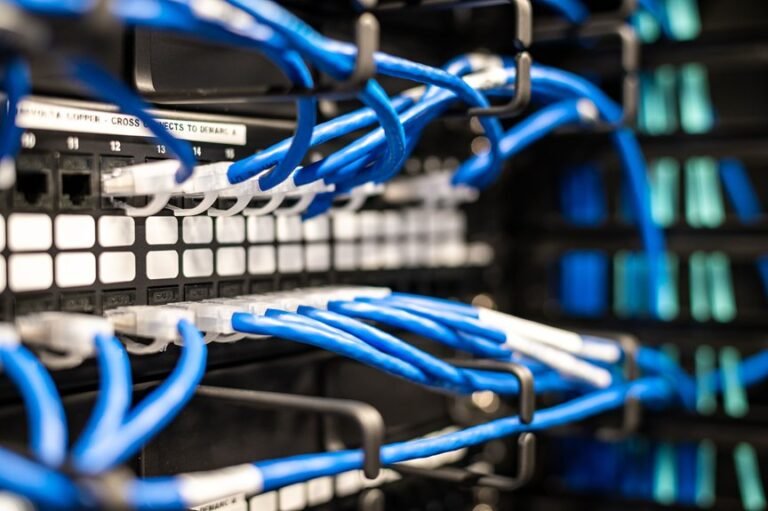
Across networks, a striking 99.9% uptime is achieved with proper cabling. For WAN cabling and LAN cabling, CAT6A or higher, shielded twisted pair, and appropriate shielding reduce interference and support future-speed requirements with reliable performance.
Yes, a guest network can be run separately, isolating guest devices from the main network. This enhances router security by segmenting traffic, applying distinct credentials, and limiting access to critical resources while preserving user freedom.
Reset procedure: perform factory reset safety by power cycling, holding the reset button, and verifying default settings. VPN compatibility, firmware update methods, cable type recommendations, and guest network segregation are checked post-reset for secure, autonomous operation.
The conclusion, written in a precise, technical, and systematic tone, affirms that proper login and configuration of the 168.1.250 router yields predictable, secure network behavior. By verifying TLS compatibility, locking down management interfaces, and applying strong authentication, administrators gain reliable control over wireless and LAN settings. An anticipated objection—concerns about firmware compatibility and feature gaps—is mitigated by routine firmware checks and documented reset paths, ensuring consistent performance, robust security, and repeatable connectivity tests.