Newsletter Subscribe
Enter your email address below and subscribe to our newsletter

 BySonu
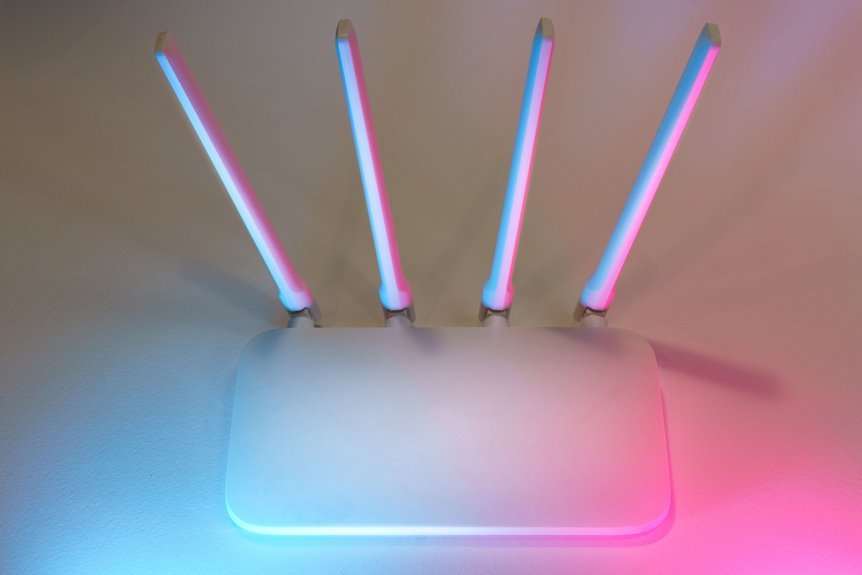
Accessing the 168.100.40 router admin panel requires a stable local network and verified credentials. Prepare manufacturer or administrator details, verify defaults, and enforce strong authentication before any changes. If a firmware update is available, apply it and confirm session persistence, hostname resolution, and secure login. Systematically inspect Security, Wireless, and Firmware sections, documenting each adjustment for audit trails. A structured troubleshooting protocol and vendor matrices will guide safe recovery; the next step reveals how these elements influence ongoing accessibility and security.
To access the router admin panel at the IP address 168.100.40, a device must be connected to the same local network. The procedure emphasizes stable connectivity, direct access, and minimal intermediary steps. Users should anticipate access limitations, and account for firmware quirks that may affect interface response, session persistence, or hostname resolution, ensuring a controlled, predictable management experience for informed, freedom-seeking administrators.
For first-time access, users should prepare by confirming device compatibility, securing the local network, and assembling credentials provided by the router manufacturer or administrator.
The process emphasizes security best practices during initial login, verifying manufacturer defaults, and establishing strong authentication.
Documented steps include initiating the firmware update process if available, and confirming access integrity before proceeding with configuration changes.
Navigating key settings necessitates a precise, methodical approach to Security, Wireless, and Firmware panels. The procedure emphasizes controlled changes, documenting configurations during onboarding, and evaluating potential security pitfalls before applying updates.
It notes how to onboarding changes safely, identifies common bypass devices, and requires verification of access rights.
System integrity depends on disciplined, minimal, purposeful adjustments and audit trails.
Effective quick-troubleshooting for 168.100.40 begins with a structured, repeatable approach that builds on vetted security and firmware practices from the previous subtopic.
The protocol emphasizes documented recovery strategies, stepwise reboots, and steady configuration checks.
Hardware incompatibilities are identified through vendor matrices, with targeted workarounds.
System logs, firmware revision alignment, and test connectivity ensure precise, freedom-conscious resolution without unnecessary experimentation.
Yes, it is possible to change the router’s default IP address, often via the administration interface. Then adjust network settings, create a new password, change password, disable WPS, and confirm connectivity and security postures.
Devices connected at 168.100.40 are not inherently limited; simultaneous networking supports multiple clients. The system scales with bandwidth and QoS settings, enabling diverse devices to operate concurrently while maintaining performance, security, and configurable prioritization for freedom-loving networks.
Regular firmware maintenance is prudent; update frequency should be monthly or upon release of critical security patches. The device benefits from scheduled checks, logs reviewed, and updates applied promptly to sustain performance and safety for freedom-seeking users.
Customer support can be located on the manufacturer’s official website or in the router’s admin interface help section; contact details are provided for inquiries. They emphasize firmware updates, ensuring channels are clear and responsive for proactive users.
Remote access is typically disabled by default; remote management may be possible if enabled, subject to firewall rules. The reviewer notes that changes should be performed via the router’s admin interface, ensuring secure remote access configurations and rule precision.
Considering the steps outlined, administrators should verify connectivity, confirm default credentials and enable strong authentication, then proceed with firmware updates if available. Systematic navigation through Security, Wireless, and Firmware panels ensures comprehensive configuration and audit tracing. Validate session persistence, hostname resolution, and secure login continuity after changes. Are you confident the changes are documented and reversible using vendor recovery matrices if needed? A precise, methodical approach minimizes risk while stabilizing the 168.100.40 router’s performance.