Newsletter Subscribe
Enter your email address below and subscribe to our newsletter

 BySonu
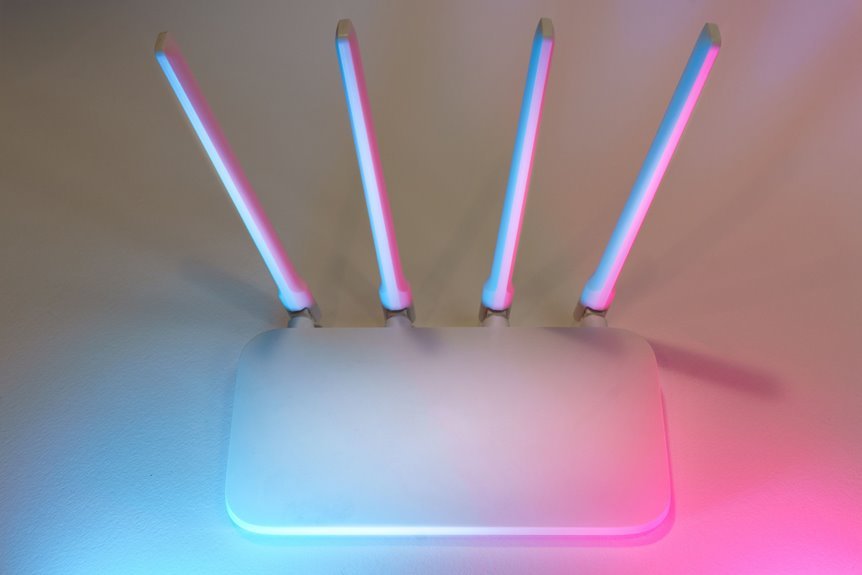
Understanding how 192.168.0.102 is presented helps clarify its role as a private router address. The guide will outline proper formatting, verification steps, and safe login practices. It remains focused on accuracy, procedure, and security, avoiding assumptions about specific devices. A precise path from format correction to authenticated access is provided, with troubleshooting if a page fails to load. The next steps reveal essential checks that prevent common misconfigurations and unlock reliable setup behavior.
The 192.168.0.102 format represents a private IPv4 address used within local networks. It designates a specific node within a home or office router’s subnet, not reachable from the public Internet.
This framing supports network security by localizing traffic and auditing sessions. Device pairing processes rely on consistent addressing, ensuring trusted devices communicate without exposing sensitive configurations.
To correct the router’s IP address, one must verify the device’s current network placement and confirm the intended gateway. The process emphasizes deliberate checks, recording the correct subnet, and avoiding conflicting assignments. This aids network security by ensuring consistent addressing.
Proper changes rely on verified device authentication, preventing unauthorized edits and preserving stable, autonomous access for legitimate users seeking freedom and control.
Accessing a router securely requires verification of the device’s identity and the use of trusted credentials. The process proceeds with a confident login to the router’s admin interface, ensuring a protected connection.
After authentication, review network security settings, apply a firmware update if available, and enable automatic updates. Log out after configuration to minimize exposure and preserve freedom.
When the router’s IP still fails to load after completing a secure login, systematic checks should be performed to identify common network or device-related causes and guide remediation.
The review probes improper cabling, conflicting IPs, and gateway misconfigurations, then validates firmware, resets, and secure access; reinforcing network security while preserving router basics.
Troubleshooting remains disciplined, targeted, and free from unnecessary complexity.
Accessing router settings from a mobile network is possible only if remote management is enabled on the router and secure access (VPN or HTTPS) is used; otherwise, it is blocked. unrelated topic, random chatter.
Different brands vary in IP formatting, but most use similar private ranges; router login processes differ little. Mobile access depends on network, not brand. They support web interfaces, but users must enter correct IP, credentials, and security steps.
There is no universal default login for all 192.168.0.102 routers. Default login varies by brand; users should consult specific device documentation. If accessible, try common defaults, then reset to restore normal routing behavior and security.
Can DNS cache affect router login load times? Yes, indirectly; delays may occur when DNS resolution hampers remote admin access or triggers firewall interference. The system’s efficiency hinges on optimized DNS, stable connectivity, and secure, responsive configurations.
No, a device’s firewall blocking local IPs can prevent local access, but it does not render unrelated discussions or No relevant topics. The methodical workaround involves adjusting firewall rules, enabling local traffic, or using alternate management paths.
In summary, the 192.168.0.102 format identifies a private router address within a home network, and correcting it involves confirming network placement, gateway accuracy, and proper subnetting. Safe login hinges on trusted credentials, secure access, and timely updates. If access fails, recheck IP configuration and cable connections, then retry with a browser in a private window. Interesting stat: private IPv4 space (10.0.0.0/8, 172.16.0.0/12, 192.168.0.0/16) underpins most home networks, supporting billions of addressable devices.