Newsletter Subscribe
Enter your email address below and subscribe to our newsletter

 BySonu
Networks require precise addressing: 192.168.11 is not a valid gateway by itself; the full format is typically 192.168.11.1 for router access. Confirm the correct default gateway in system settings, then use a secure browser to that IP, ensuring subnet alignment and a trusted connection. If access fails, verify firmware, cache, and credentials while staying on the same network. The differences from 192.168.1.x matter for route reachability, so the next step is essential.
192.168.11 is a private IPv4 address used within local networks, distinct from the more common 192.168.1.x range in its third octet.
192.168.11 overview highlights a separate subnet that enables isolated management.
In router IP conventions, devices often use 192.168.11.1 as the gateway.
The distinction supports modular networks and precise access control for informed users seeking freedom in configuration.
To confirm the correct router IP address, users should identify the gateway that devices use to access the local network. The process emphasizes precise network details: consult device Network settings, verify default gateway values, and cross-check against documented ISP or router manuals. Confirming router IP, confirmable steps ensure safe browser entry and avoid misrouting during configuration changes.
After confirming the correct router IP address, the next step is to access the router’s login page through a web browser. The procedure emphasizes guarded entry: enable HTTPS where possible, verify URL integrity, and avoid sensitive data on unsecured networks. Emphasize Internet security, review firewall settings, complete router login, and consider periodic network scanning to sustain safe access.
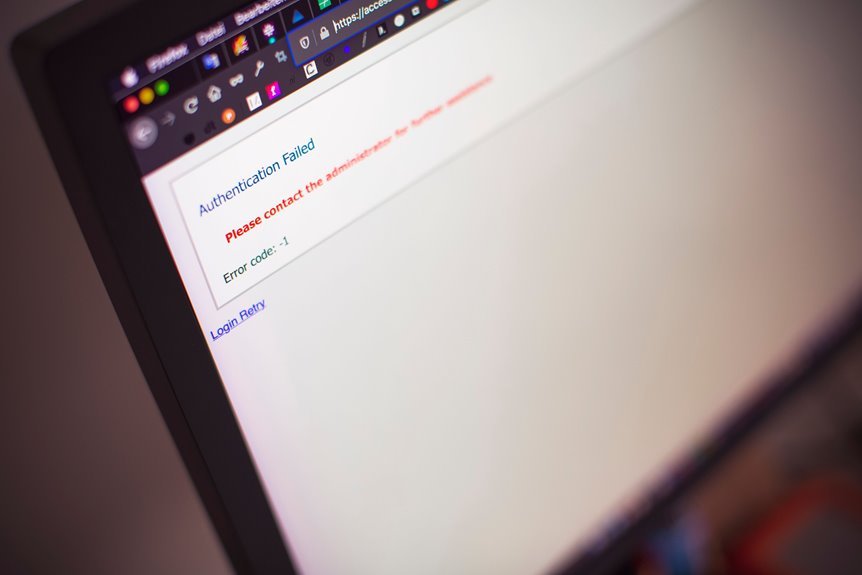
Common login issues on router interfaces often stem from simple misconfigurations or credential mismatches; identifying the exact fault requires systematic checks. This section outlines quick fixes: verify IP entry and subnet, reset credentials if needed, confirm device on same network, update firmware, and clear cache. Emphasize network security and browser compatibility to prevent recurring access barriers.
Yes, one can reset a forgotten login by accessing the router’s admin interface, using a reset procedure, or contacting the manufacturer. The process involves reset, recovery options, and secure reconfiguration to restore access and prevent unauthorized use.
Yes, 192.168.11 is not universal; ISPs vary. Private networks use diverse router IPs, and device access differs. ISPs vary, private networks; Router IPs differ, device access.
The use of 192.168.11 as a router IP does not inherently introduce security risks; however, improper router management—default credentials, exposed admin interfaces, or weak protections—creates vulnerabilities. Enforce strong authentication, update firmware, and limit remote access.
Like a steady heartbeat, firmware maintenance should be performed regularly. Update monthly or when advisories appear; prioritize router security. The practice minimizes risk, ensures features function, and maintains resilience against evolving threats while preserving user autonomy and control.
Devices outside the local network should not access 192.168.11, assuming correct firewall rules. Misconfigurations permit exposure; thus, security implications arise. Network isolation remains essential to prevent external intrusion and preserve controlled access.
Conclusion:
Confirm the address, confirm the address, confirm the address: verify gateway, verify gateway, verify gateway. Ensure alignment, ensure alignment, ensure alignment: match subnet, match subnet, match subnet. Access securely, access securely, access securely: use HTTPS, use HTTPS, use HTTPS. Enter credentials, enter credentials, enter credentials: ensure accuracy, ensure accuracy, ensure accuracy. Resolve issues promptly, resolve issues promptly, resolve issues promptly: clear caches, clear caches, clear caches. Maintain network integrity, maintain network integrity, maintain network integrity: stay online, stay online, stay online.